
Legal guidance, in plain English
Practical articles on California criminal defense, DUI, and personal injury law — written to help you understand your rights before you ever need to call.
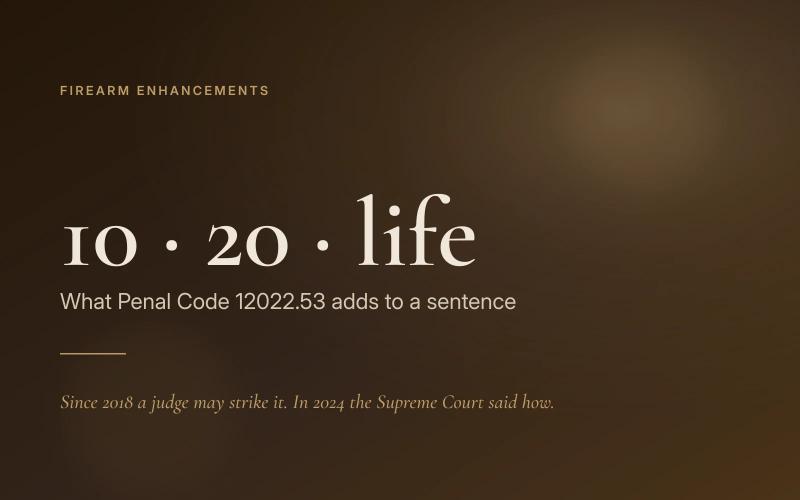
California Firearm Sentencing Enhancements: The Number on the Paperwork, and Whether a Judge Can Take It Off
A California firearm enhancement is two separate questions: what number the statute adds, and whether a judge may remove it. The second question moved in 2024 — the California Supreme Court held in People v. Walker that Penal Code section 1385 creates no presumption in favor of dismissal — and most published explanations still describe the older rule. Even a stricken enhancement can leave the probation bar, the credit ceiling, and the strike consequence behind.
California's Three Strikes Law: What Actually Counts as a Strike
California's sentencing math is the easy part: one prior strike doubles the term, and since 2012 a third felony that is not itself serious or violent usually does not carry 25 to life. The hard part is whether a particular old conviction is a strike at all — which often turns not on the offense's name but on what was specifically pleaded and proved in that case file.
Expungement Under Penal Code 1203.4: What a California Dismissal Actually Does
A Penal Code 1203.4 dismissal does not erase, seal, or delete anything. It withdraws your plea and dismisses the case, which changes who is allowed to ask about the conviction, who is allowed to see it, and who is allowed to hold it against you — and those three questions have different answers depending on whether you are looking at the Department of Justice record or the court file.
Immigration Consequences of a California Criminal Conviction: What the State Calls It vs. What Federal Law Counts
Federal immigration law applies its own definition of "conviction," so a California case a court calls dismissed, expunged, or reduced can still count against a noncitizen — while some dispositions genuinely do not count at all. This page maps each California label onto the federal rule that actually governs it, and names the two 2026 developments that changed the practical answers.
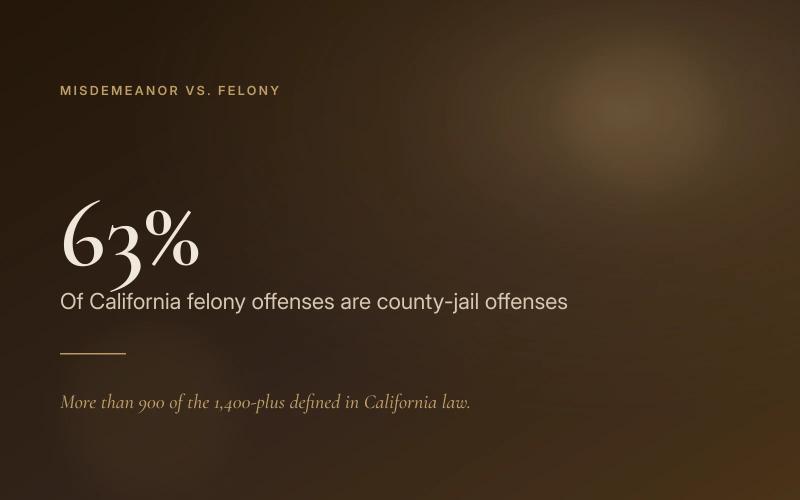
Misdemeanor vs. Felony in California: What the Label Actually Means
The word on your charging document is not the whole story. A California felony can be served in county jail, no California misdemeanor runs a full year, and most of the consequences people fear turn on the punishment a statute authorizes rather than on the label itself.
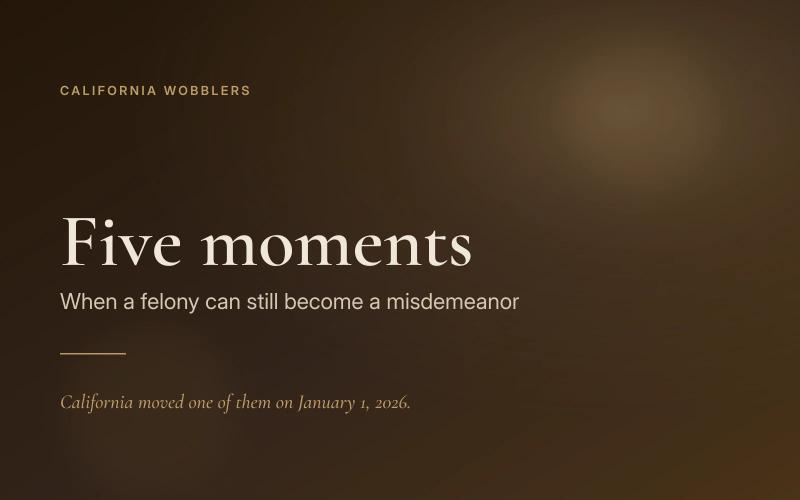
What Is a Wobbler in California? The Five Moments Your Charge Can Change
A California wobbler is an offense whose felony-or-misdemeanor status is never settled at charging: Penal Code section 17 gives five separate points where it can be fixed one way or the other, and as of January 1, 2026 one of those points was widened so any court can make the call any time before trial. Which point the change happens at is what determines whether it reaches your gun rights, a strike prior, a professional license, or nothing at all.

California Embezzlement vs. Theft: What's the Difference?
Embezzlement and theft are not interchangeable. The difference usually begins with how the person obtained the property and what the evidence shows about authorization and intent.

What to Do After a DUI Arrest in California
A California DUI arrest can start a court case and a separate DMV process. Here is how to organize the papers, deadlines, and facts that matter first.

What Happens After an Arrest in Los Angeles County?
After a Los Angeles County arrest, booking records, release papers, the complaint, and court orders answer different questions. Learn which one controls next.

What Should You Do If Police Want to Question You?
A police interview request is not the same as a detention, arrest, subpoena, or warrant. Identify the contact before answering or consenting to a search.
What Happens at a Criminal Arraignment in California?
A California arraignment is not a trial. Learn what the court may decide, what remains open, when appearance is required, and which records to leave with.

What Should You Do If Police Have a Search Warrant?
A California search warrant authorizes a defined search, not an interview or unlimited consent. Learn what to request, observe, and preserve for later review.

Plea Agreement vs. Trial in a California Criminal Case
A plea decision requires more than a sentence comparison. Learn how to compare the complete written offer with the evidence and legal issues a California trial would test.

What Happens When There Is a Warrant for Your Arrest in California?
A confirmed California arrest or bench warrant authorizes an arrest, but it does not prove guilt or dictate one response. Verify the court record before making a plan.
What Happens After a Domestic Violence Arrest in California?
A California domestic violence arrest can lead to immediate release terms, a short-term protective order, a separate filing decision, and a first court hearing.
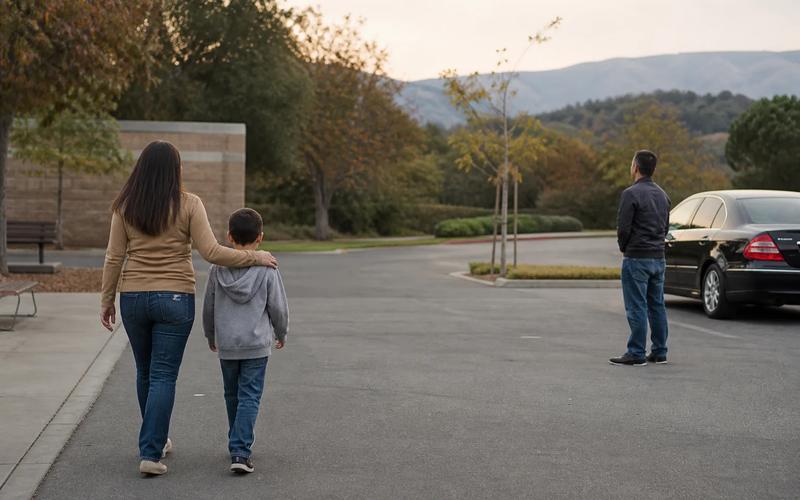
How Criminal Protective Orders Affect Contact, Housing, and Children
A California criminal protective order can regulate contact, distance, housing, children, and firearms. The exact checked terms and court-approved exceptions control.

Can a Domestic Violence Charge Be Dropped After a Case Is Filed?
A reporting person can share facts and their preference for dismissal. But once an arrest has been made and a charge filed, they cannot personally dismiss a California domestic violence case or change a criminal protective order. Only a judge or magistrate can — not the prosecutor, and not the person who reported it.
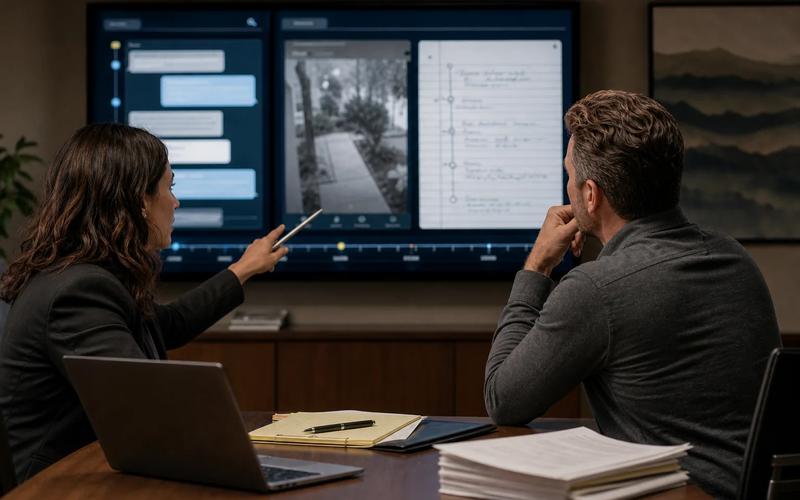
What Evidence Matters in a California Domestic Violence Case?
A useful California domestic violence evidence review connects each original source to the filed charge, tests the full timeline, and identifies what an isolated report, recording, photograph, or message cannot establish by itself.

Drug Possession Charges in California: What Must Be Proven?
A possession charge is not proved by finding drugs nearby. The prosecution must connect the substance, knowledge, control, and usable amount to the accused person.

Misdemeanor vs. Felony Domestic Violence Charges in California
California domestic violence is a relationship-based category, not one charge. The current level depends on the filed statute, its elements, any separately pleaded allegation, and the procedural stage of an alternative-punishment offense.

Possession for Personal Use vs. Possession for Sale
California does not use one universal quantity cutoff to separate personal possession from possession for sale. Intent is inferred from the full evidence picture.
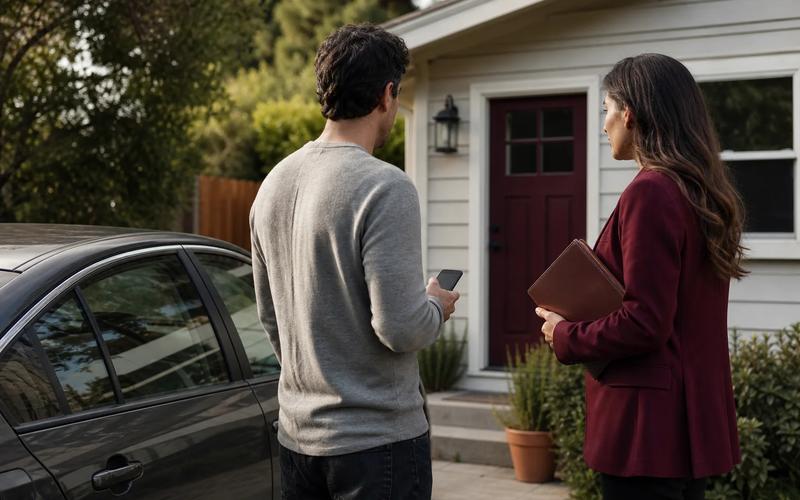
When Can Police Search a Car, Home, or Phone for Drugs?
Cars, homes, and phones are not governed by one search rule. The warrant, consent, location, timing, and claimed exception must be reviewed separately.

California Drug Diversion: Which Program Are You Being Offered?
Drug diversion is not one automatic program for every possession charge. The filed offense, eligibility facts, county program, conditions, and completion record matter.
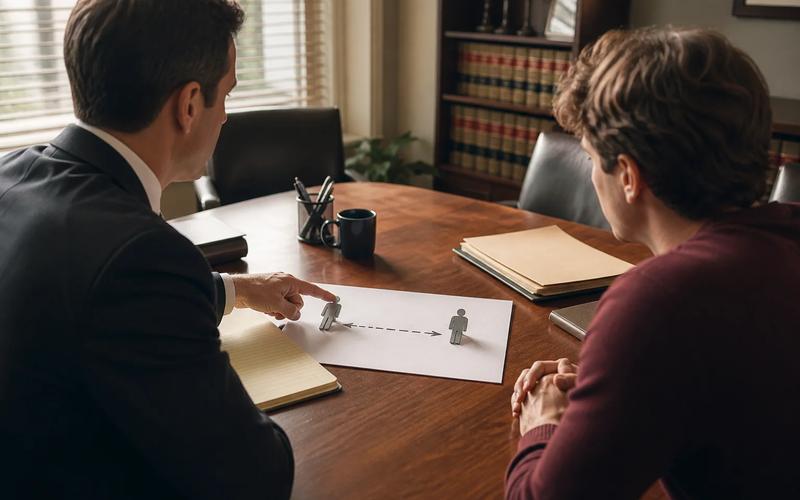
Assault vs. Battery in California
California separates simple assault from simple battery. Assault focuses on an act, awareness of the facts, and present ability to apply force; battery requires a completed harmful or offensive touching but does not require injury.

How Self-Defense Works in a California Criminal Case
California self-defense turns on what the accused actually and reasonably believed, whether force was needed immediately, how much force was used, and how the danger changed from moment to moment.

When Can an Assault Charge Become a Felony?
California does not classify every assault the same way. The current answer comes from the exact Penal Code section 245 theory, its punishment alternatives, and any separately pleaded allegation.

What Evidence Matters in a Violent-Crime Case?
A useful California violent-crime evidence review connects every source to a disputed issue, then separates when the event happened, when it was captured, and how the item was handled.
What to Do If You Are Contacted About a Sex-Crime Investigation
An investigator's request, a warrant, and a subpoena create different decisions. Identify the contact, preserve the record, and get advice before discussing facts.
Will a Plea Put You on California's Sex-Offender Registry, and for How Long?
A charge name or tier number does not answer the registration question. The exact disposition, offense date, findings, tier basis, and petition route all matter.

How Text Messages, Social Media, and Device Data Are Used in Sex-Crime Cases
A screenshot raises separate questions about source, authorship, completeness, collection, and legal use. None is answered by the account name alone.

What to Do After Receiving a Business-Records Subpoena or Investigative Request
Before a business sends records or explains the facts, it should identify the demand, preserve the right sources, and separate collection from production.

Embezzlement in California: Intent, Records, and Common Evidence Issues
A California embezzlement review should connect each disputed transaction to entrusted property, authority, alleged benefit, intent, value, and original source records.
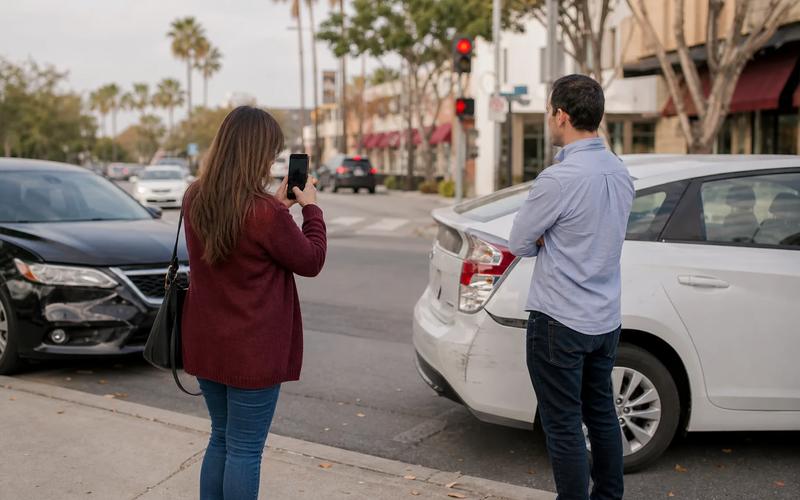
What Should You Do After a Car Accident in California?
After a California crash, handle immediate safety first, then separate the police, DMV, insurance, evidence, and health decisions that follow.

Do You Have to Report a Car Accident in California? Police, DMV, and Insurance Rules
A California collision can create separate duties at the scene, with law enforcement, at the DMV, and under an insurance policy. One report does not complete the others.
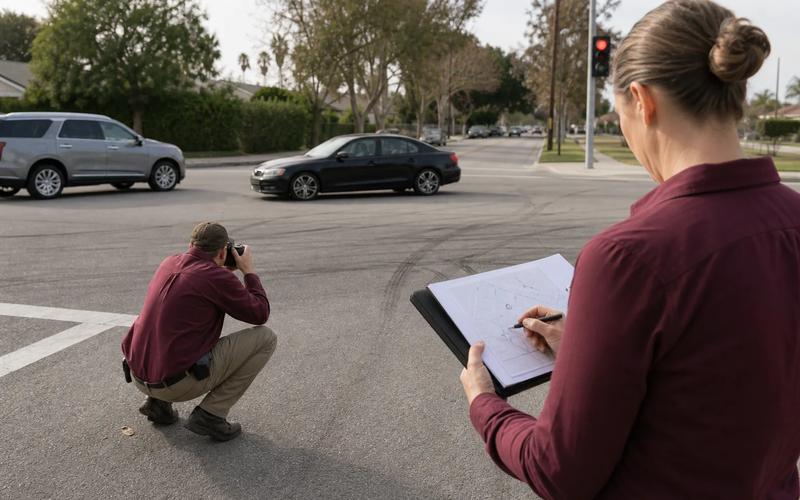
What Evidence Helps Prove Fault After a Car Accident?
Car-accident fault is reconstructed from conduct, position, timing, visibility, and causation. The useful evidence is the evidence that answers the disputed question.
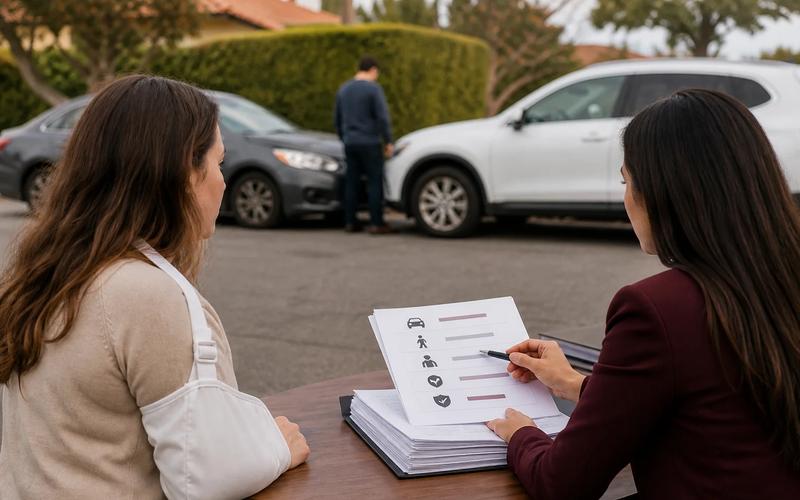
How Uninsured and Underinsured Motorist Claims Work in California
A first-party claim changes which insurance company you deal with. It does not change what you have to establish about the other driver or the harm.

Should You Accept the Insurance Company's First Settlement Offer?
A settlement trades the claim for payment and a release. Evaluate medical status, losses, liens, coverage, disputed fault, and the release before deciding.

How Long Does a California Car Accident Claim Take?
There is no reliable universal settlement timeline. The medical picture, fault evidence, coverage, liens, negotiations, lawsuit, and court schedule control different stages.
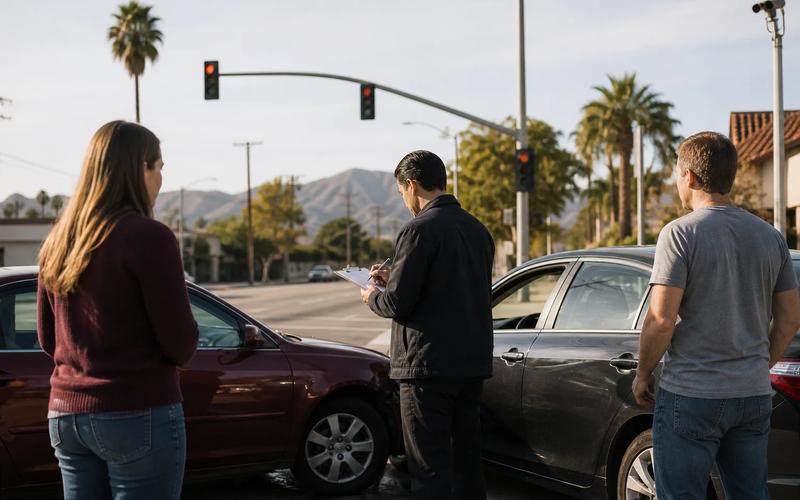
What If the Other Driver Blames You for the Crash?
An accusation does not decide fault. Identify where it appears, break it into conduct and causation, preserve original evidence, and answer in the correct forum.
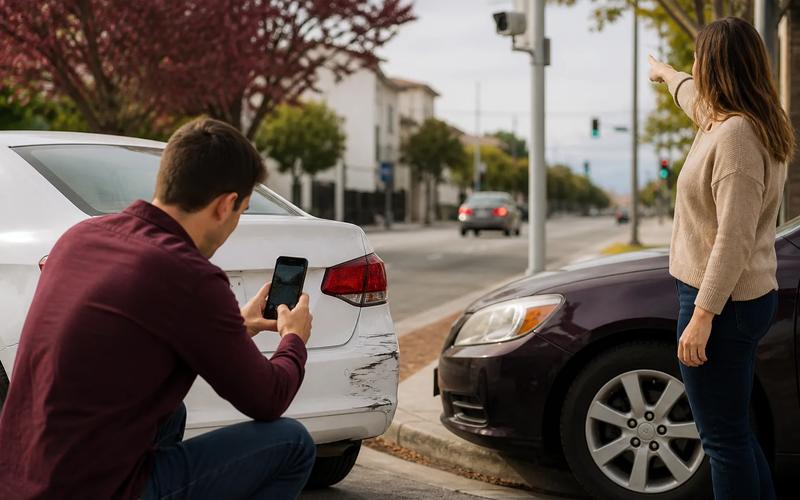
What Happens After a Hit-and-Run Accident in California?
After a California hit-and-run, focus on safety, report the event, preserve identification and collision evidence, and review the actual policy before assuming coverage.
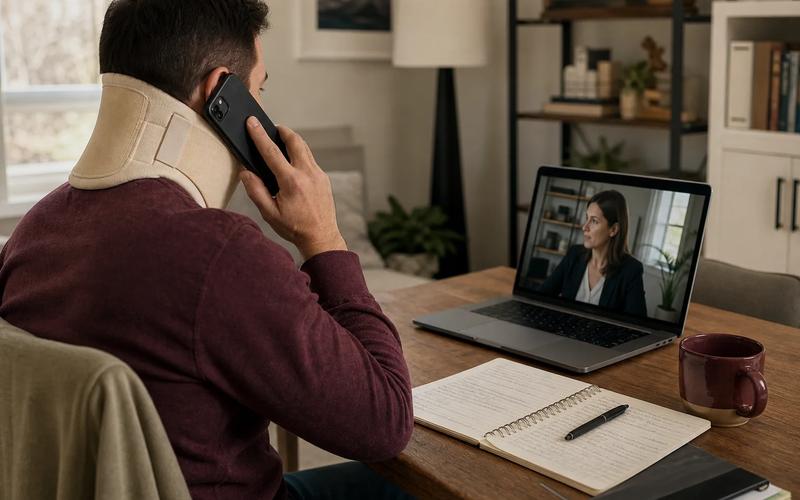
Should You Give the Insurance Company a Recorded Statement?
Before giving a recorded statement, identify the insurer, policy, instrument, scope, and asserted basis. A first-party request differs from an adverse carrier's interview.

How a California Personal Injury Claim Works
A California injury claim moves through a series of proof and decision stages, from investigation and insurance review to negotiation and, when needed, a lawsuit.

How Do Gaps in Medical Treatment Affect a California Injury Claim?
A gap in medical treatment is an interval, not a legal conclusion. Its significance depends on the chronology, the reason, and the issue it is used to address.
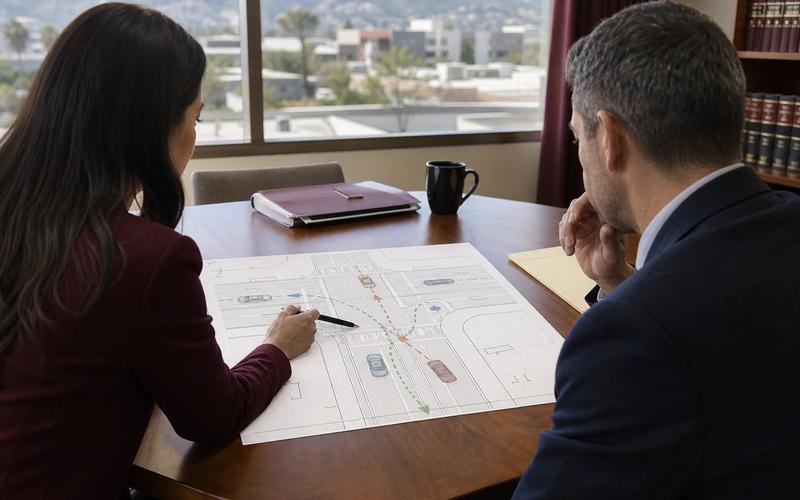
How Comparative Negligence Works in California Injury Claims
California reduces damages by an injured person's proven share of fault. The useful question is not the proposed percentage, but the conduct and causation supporting it.
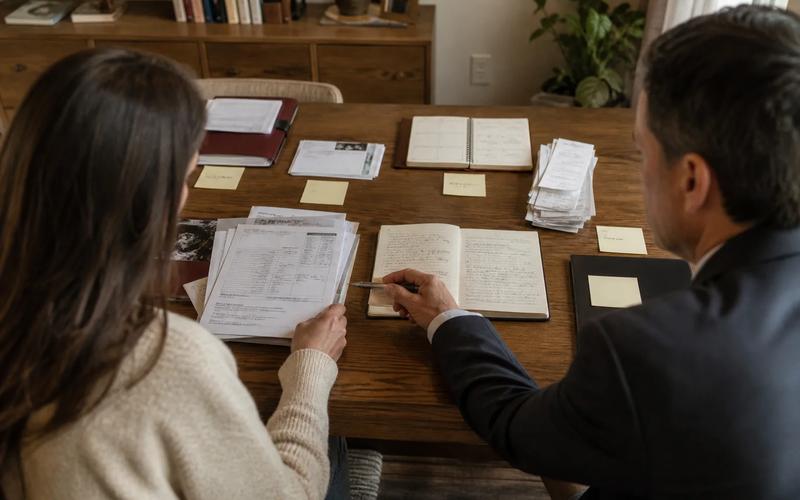
How Are Damages Calculated in a California Personal Injury Case?
California personal injury damages are separate forms of legally caused harm. Each category needs its own proof, causal connection, and non-duplicative explanation.
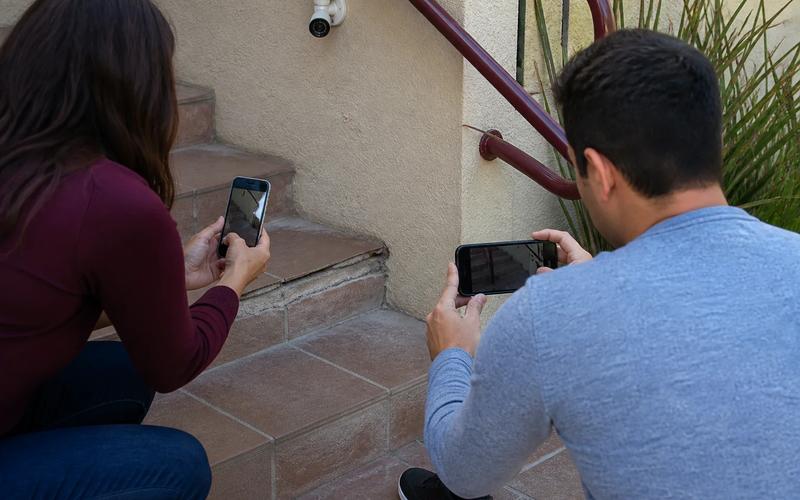
What Evidence Helps Prove a California Personal Injury Claim?
Personal injury evidence is useful when it answers a fact that must be proved. Organize sources by responsibility, causation, injury, loss, defenses, and credibility.

How Medical Liens Can Affect a California Injury Settlement
A medical lien may be contractual, statutory, plan-based, or governmental. Which of those you are holding decides what can be done about it before you settle.

What Happens at a California Personal Injury Deposition?
A California personal injury deposition is sworn oral discovery. Sound preparation reconciles the record, clarifies personal knowledge, and protects accuracy.

How to Document Lost Wages After a California Car Accident
A California car-accident wage claim needs a documented bridge from the collision and injury-related work limit to displaced work and an actual economic consequence.

California Personal-Injury Deadlines: How Long Do You Have to File?
California's general two-year injury statute is only a starting point. Public entities, delayed discovery, minors, and special statutes require separate analysis.

Why Truck Accident Claims Differ from Car Accident Claims
Truck claims use familiar negligence rules, but the vehicle, company, and evidence maps can be much wider. The first task is to identify who controlled what.
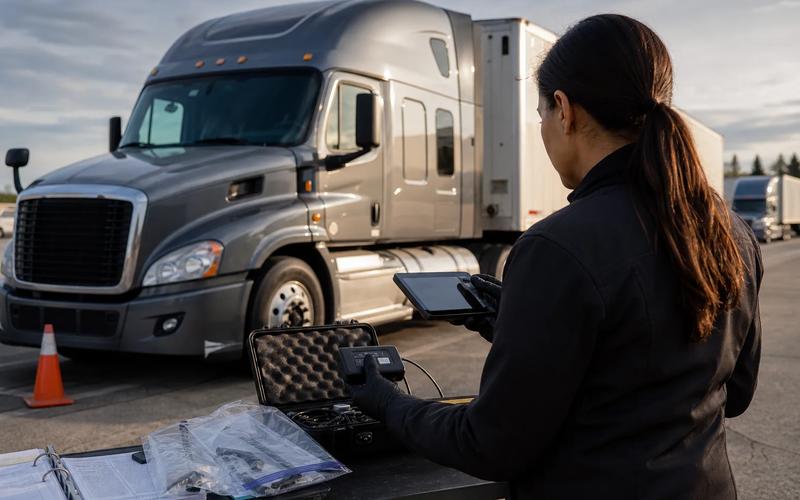
What Evidence Should Be Preserved After a Commercial Truck Crash?
“Save the black box” is too vague. Truck evidence should be mapped by disputed issue, exact vehicle or system, custodian, and time window.

Who Can Be Liable for a Truck Accident in California?
A name in the transportation chain is a lead, not a defendant. California truck-accident responsibility turns on duty, control, conduct, and causation.

Who Can File a Wrongful Death Claim in California?
California wrongful-death standing depends on a statutory claimant map, not simply who was closest to the person who died or who is handling the estate.

Wrongful Death Claim vs. Survival Action in California
A wrongful-death claim addresses eligible survivors' own losses. A survival action continues a claim held by the person who died, with a filing-date rule that matters in 2026.
What Damages Are Available in a California Wrongful Death Case?
California wrongful-death damages address each eligible claimant's financial and relationship losses. The proof must be personal, grounded, and separate from a survival action.

How Long Do You Have to File a Wrongful Death Claim in California?
California's ordinary wrongful-death period is two years, but public-entity claims, medical negligence, survival actions, and other facts can put a different deadline first.
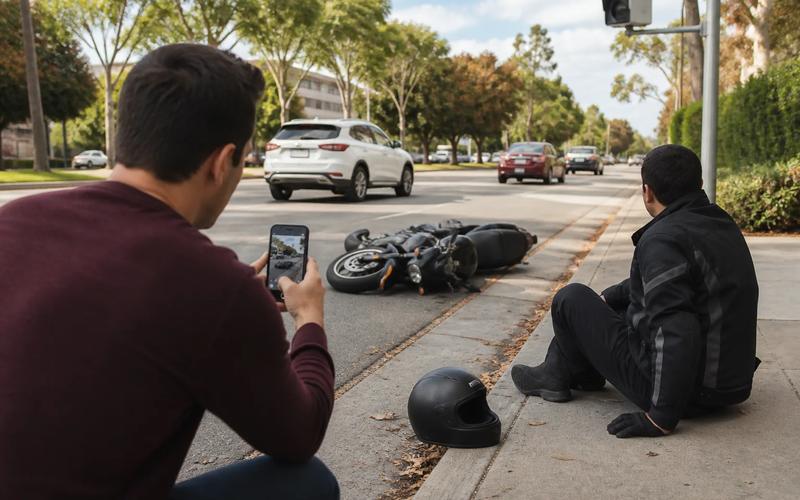
What to Do After a Motorcycle Accident in California
After a motorcycle crash, protect health first. Then locate the bike and gear, preserve original evidence, and separate police, DMV, and insurance reporting.
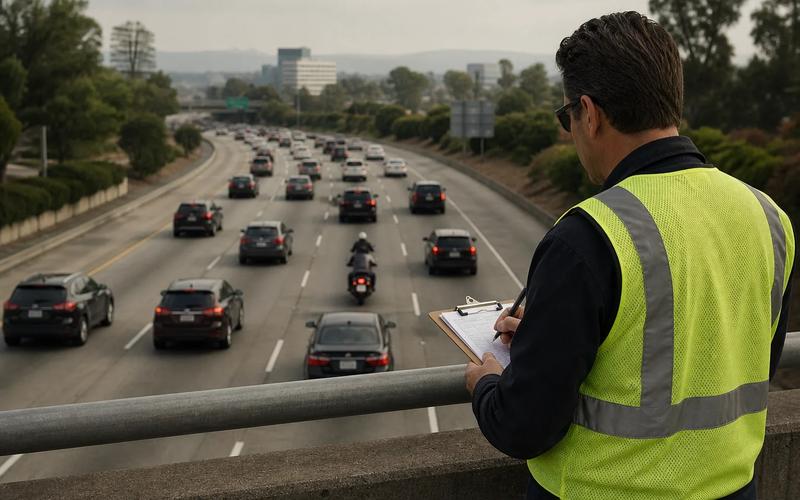
How Lane Splitting Can Affect Fault in a California Motorcycle Accident
California defines lane splitting but does not assign fault automatically. Classify the maneuver, then reconstruct the rider’s and driver’s movements and choices.

Who Is at Fault When a Driver Says They Didn't See a Motorcycle?
“I didn't see the motorcycle” describes perception, not fault. Reconstruct when the rider entered view, what obstructed it, and how both road users responded.
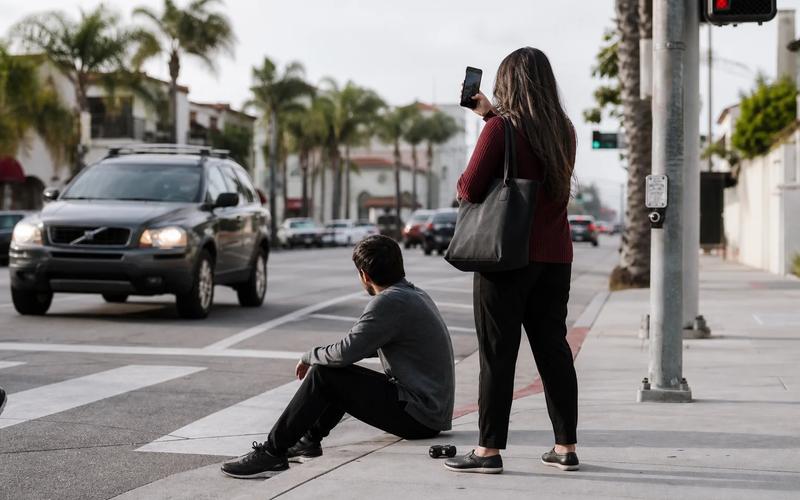
What to Do After a Pedestrian Accident in California
After a pedestrian crash, protect health first. Then preserve the person's path, the vehicle's path, signal and visibility evidence, witnesses, video, reports, and belongings.
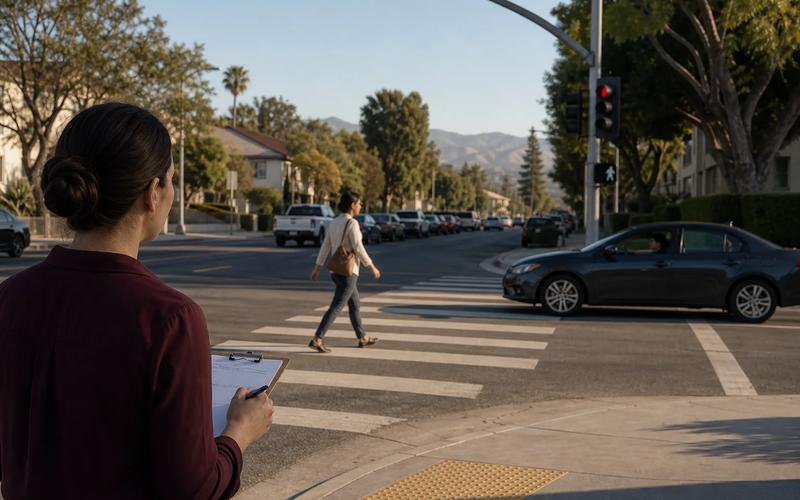
Who Has the Right of Way in a California Crosswalk?
Drivers generally must yield to pedestrians in marked and qualifying unmarked intersection crosswalks. Place, signal, timing, and movement determine how that rule applies.
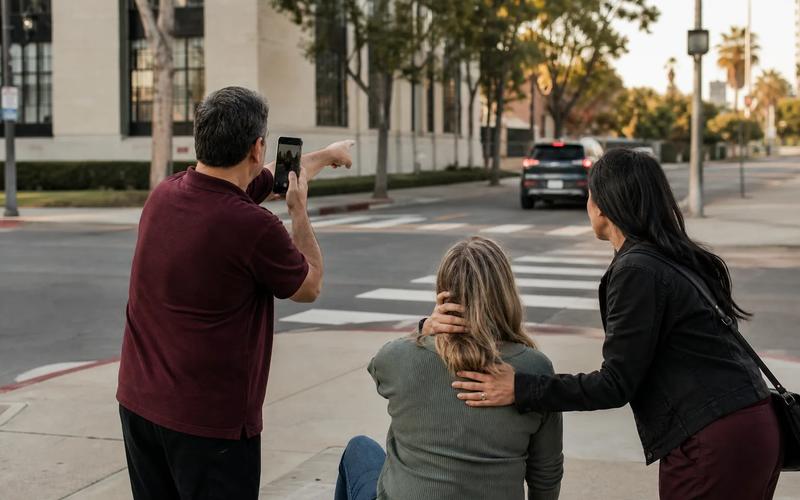
Pedestrian Hit-and-Run in California: Who Pays if the Driver Is Never Found?
After a pedestrian hit-and-run, protect health first. Then pursue two tracks at once: identify the vehicle and protect any insurance claim that may apply.
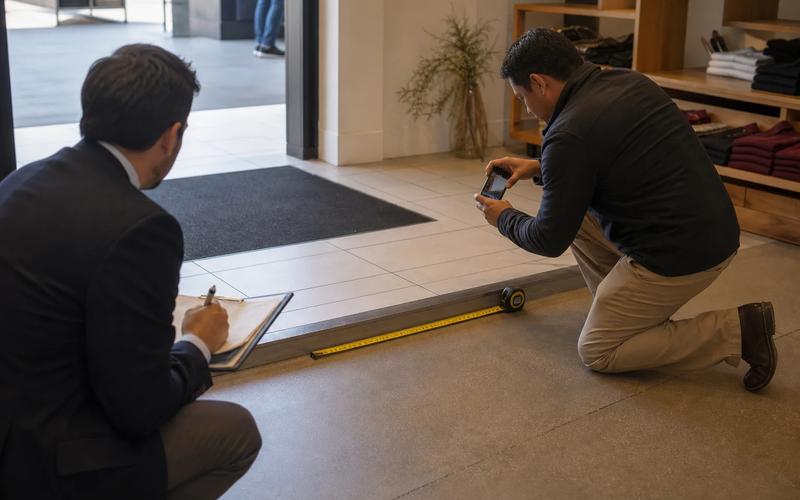
What Must Be Proven in a California Slip-and-Fall Case?
A fall on property does not prove negligence. The claim must connect control, an unsafe condition, knowledge or creation, an unreasonable response, causation, and harm.

What Evidence Should You Preserve After a Slip and Fall?
After a fall, protect health first. Then preserve the condition, route, warnings, body movement, original items, witnesses, video window, and property records.

Actual vs. Constructive Notice in a California Slip-and-Fall Case
Actual notice asks who knew of the particular condition. Constructive notice asks whether reasonable care should have discovered it in time to protect visitors.

The 10-Day Rule: Requesting a California DMV DUI Hearing
The California DUI hearing deadline belongs to the DMV notice, not the court date. Learn which dates matter, how to document a request, and what the hearing decides.

First DUI in California: What Happens Next?
A first DUI arrest does not follow one fixed path. Learn how the filed charge, DMV notice, record, evidence, and personal stakes shape what happens next.

What Changes After a Second DUI in California?
A second-DUI allegation requires one separate qualifying prior violation that resulted in a conviction—not merely an earlier arrest. Here is how to verify the record.

What Changes After a Third DUI in California?
A third-DUI allegation requires two separate qualifying priors and a new offense—not a simple arrest count. Start with a three-matter record audit.

When Can a DUI Be Charged as a Felony in California?
California has several felony-capable DUI pathways, each with different facts to prove. The filed statute matters more than the arrest label.

DUI Causing Injury in California: What Must Be Proven?
A California DUI injury charge requires proof of a DUI theory, an additional unlawful act or neglected driving duty, causation, and injury to someone other than the driver.

Drug and Cannabis DUI in California: How Impairment Is Evaluated
California drug and cannabis DUI cases require an impairment inquiry that connects driving, behavior, timing, medical context, and toxicology rather than relying on substance presence alone.

Commercial DUI and CDL Disqualification in California
A DUI-related event can affect a commercial driver through criminal court, the ordinary driving record, commercial disqualification, and separate employer-notification rules.

What Evidence Can Be Challenged in a California DUI Case?
California DUI evidence can be tested for relevance, completeness, lawfulness, scientific or procedural foundation, and fair interpretation. No single flaw automatically decides a case.

DMV DUI Hearing vs. Criminal Court: What Is Different?
A California DUI arrest can create a DMV matter and a criminal case with different papers, deadlines, issues, burdens, and decisions. This guide shows what belongs to each.

Underage DUI in California: Three Different Laws, and Which Court Hears the Case
“Underage DUI” can refer to California's 0.01 zero-tolerance rule, the separate under-21 0.05 law, an ordinary DUI charge, or more than one proceeding.