
Written by Boyadzhyan Legal Shield editorial team
Reviewed for legal accuracy by Knarik Boyadzhyan
Last substantively reviewed
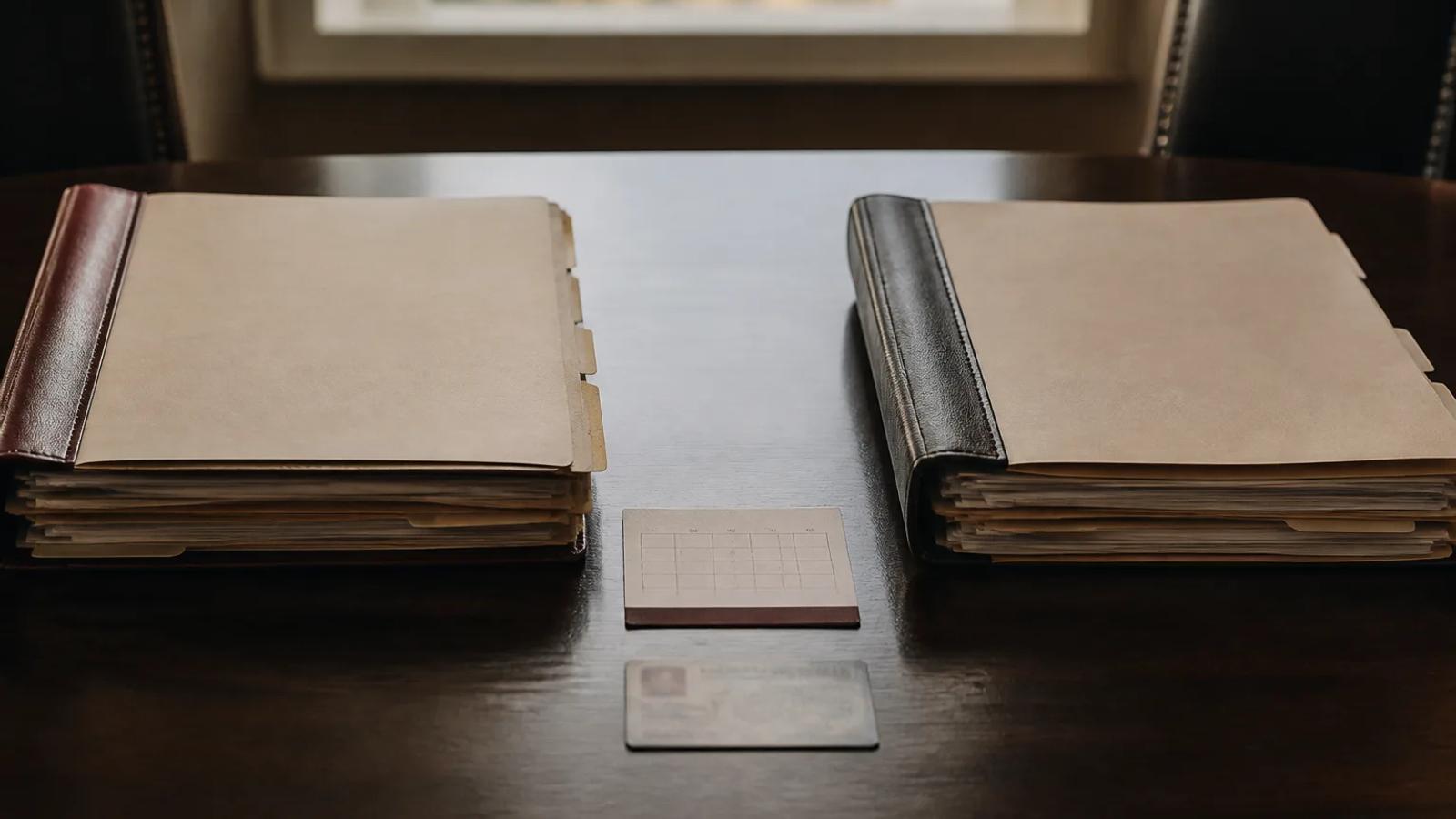
A new DUI arrest does not become a second DUI merely because another DUI arrest appears in your past. California's repeat-offense framework requires a current DUI conviction and one separate, legally qualifying earlier violation that resulted in a conviction.
That makes the prior record the first point of review. The earlier offense date, final disposition, and jurisdiction matter. A driving-record abbreviation or remembered charge name may help locate the case, but it does not resolve whether the prior qualifies.
If the prior does qualify, the legal framework changes. The prosecution still has to prove the new charge, however, and the current DMV notice still requires a separate response. A useful review keeps those three questions separate instead of treating “second DUI” as the answer to all of them.
Your earlier arrest counts only if it became a qualifying conviction.
Vehicle Code section 23540 (opens in a new window) applies when a person is convicted of a current section 23152 offense that occurred within 10 years of one separate violation listed in the statute that resulted in a conviction. The listed group includes DUI, DUI causing injury, and a specified alcohol-related reckless-driving disposition.
This is narrower than “one earlier alcohol-related event.” An old arrest that ended without a qualifying conviction does not satisfy that language. Neither does a vague memory that the prior case was a DUI when the final court record shows a different disposition.
Section 23540 changes the framework for a resulting current conviction. It does not prove the new DUI, and it's not itself an automatic felony rule, whatever you have been told. An injury count, a specified felony prior, or a different number of qualifying priors raises a separate classification question.
The ten years run from the earlier offense date, not the conviction date.
You are probably trying to work out whether the old case has “fallen off” yet, and the answer turns on which two dates you use. Section 23540 compares the current offense date with the date of the earlier violation that resulted in a conviction. The prior conviction date helps confirm the disposition, but it is not a substitute for the earlier offense date. Find the earlier offense date first.
Lay the current case and the old one side by side. For the earlier case, try to identify:
- Date of the alleged violation
- Court and jurisdiction
- Exact statute in the final disposition
- Record showing that the violation resulted in a conviction
- Date and terms of any remaining court order
Depending on the age and location of the case, the useful source may be a complaint, minute order, judgment, plea record, or probation order. A docket can help you locate the file, but a short docket label may not answer the legal question.
An out-of-state conviction requires another step. Vehicle Code section 23626 (opens in a new window) asks whether the out-of-jurisdiction offense would violate a listed California provision if committed here. The lawyer reviewing your file needs the actual statute and reliable disposition record, not merely another state's name for the offense.
A qualifying prior changes the rules. It does not prove the new charge.
Once a qualifying prior is established, a resulting current conviction is treated under a different sentencing, probation, and license framework from a first conviction. That is a meaningful escalation, but a penalty chart still cannot predict the actual case. The filed counts, prior allegation, current evidence, and any separate injury, refusal, or probation issue can change which rules apply.
The new charge remains a new proof problem. Who was driving, why police made contact, what the officer observed, what available video shows, and how a breath or blood result fits the timeline all concern the current incident. Your record answers none of those questions for the prosecution.
The California DUI evidence guide goes deeper into the evidence. The point here is simpler: your defense has to evaluate both whether the prior qualifies and whether the present charge can be proved. Success or failure on one question does not mechanically decide the other.
An order still running from the first case can put you in a second courtroom.
If probation or another supervision order from the first case was still active when the new incident allegedly occurred, the earlier court may address an alleged violation separately from the new prosecution. That is a second courtroom, separate from the one handling the new charge. Penal Code section 1203.2 (opens in a new window) governs supervision issues in several post-conviction settings.
Find the written order and read it before you assume when supervision ended or which conditions were in effect. The new complaint does not automatically decide the earlier proceeding. And what you say to explain the incident in one of them may also affect the other, which is why any reporting duty and response should be evaluated from the actual order rather than generic online advice.
The current DMV notice needs a separate response.
The California DMV administrative action concerns your driving privilege, not whether the prosecution can prove the criminal charge. An older case may make the driving record more complicated, but the current notice and a current record are better guides for you than a generalized prediction about every second DUI.
Check the response date and the instructions on that notice immediately. Requesting a hearing does not promise you continued driving, restricted-license eligibility, or a particular result. The DMV-hearing and criminal-court guide explains which questions belong to each proceeding.
Official Sources
- California Vehicle Code § 23540 (opens in a new window)
- California Vehicle Code § 23626 (opens in a new window)
- California Penal Code § 1203.2 (opens in a new window)
- California DMV: Driving Under the Influence (opens in a new window)
“Second” is a conclusion about a record and two dates, not a count of arrests.
Put the current complaint or citation, the DMV notice, and the most reliable available record from the earlier case in date order. Mark the two offense dates separately from the date of the prior conviction. Those are the dates to bring with you, and that small distinction can expose the real questions before anyone starts talking about consequences.
Boyadzhyan Legal Shield handles California DUI defense matters. A free, confidential consultation can begin by comparing the current accusation with the earlier disposition and identifying any deadline or active order that requires attention. There is no obligation to hire the firm.
This article provides general information, not legal advice. Repeat-offense treatment, prior-record proof, supervision issues, and DMV consequences require current statutory analysis and attorney review.
Continue reading
What Changes After a Third DUI in California?
A third-DUI allegation requires two separate qualifying priors and a new offense—not a simple arrest count. Start with a three-matter record audit.
DUI DefenseWhat Evidence Can Be Challenged in a California DUI Case?
California DUI evidence can be tested for relevance, completeness, lawfulness, scientific or procedural foundation, and fair interpretation. No single flaw automatically decides a case.
DUI DefenseDMV DUI Hearing vs. Criminal Court: What Is Different?
A California DUI arrest can create a DMV matter and a criminal case with different papers, deadlines, issues, burdens, and decisions. This guide shows what belongs to each.
- What to Do After a DUI Arrest in California
- The 10-Day Rule: Requesting a California DMV DUI Hearing
- First DUI in California: What Happens Next?
- When Can a DUI Be Charged as a Felony in California?
- DUI Causing Injury in California: What Must Be Proven?
- Drug and Cannabis DUI in California: How Impairment Is Evaluated
- Commercial DUI and CDL Disqualification in California
- Underage DUI in California: Three Different Laws, and Which Court Hears the Case