
Personal Injury
Plain-English guidance on Personal Injury — what to expect, and how a case is defended.
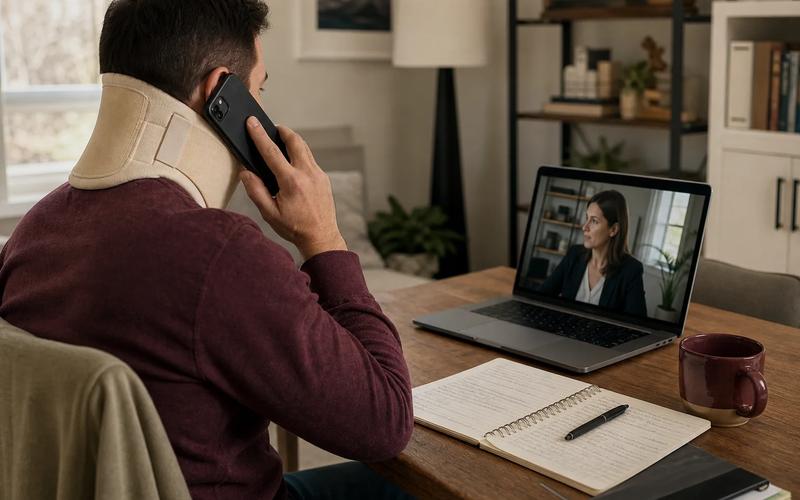
Should You Give the Insurance Company a Recorded Statement?
Before giving a recorded statement, identify the insurer, policy, instrument, scope, and asserted basis. A first-party request differs from an adverse carrier's interview.

How a California Personal Injury Claim Works
A California injury claim moves through a series of proof and decision stages, from investigation and insurance review to negotiation and, when needed, a lawsuit.

How Do Gaps in Medical Treatment Affect a California Injury Claim?
A gap in medical treatment is an interval, not a legal conclusion. Its significance depends on the chronology, the reason, and the issue it is used to address.
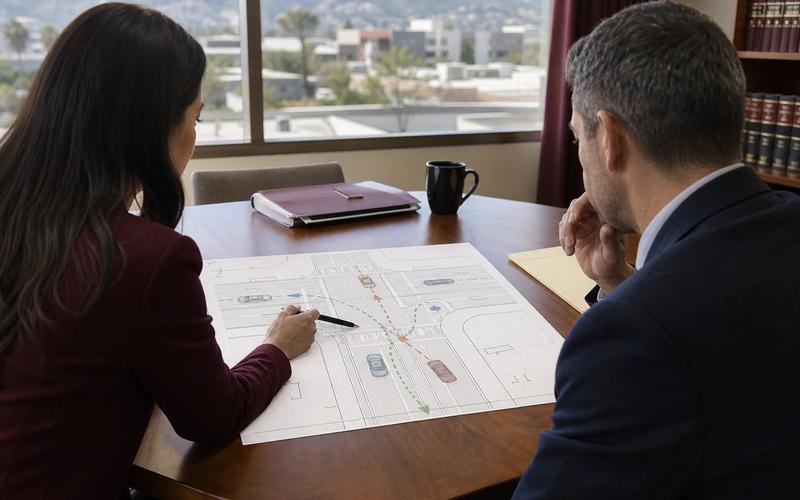
How Comparative Negligence Works in California Injury Claims
California reduces damages by an injured person's proven share of fault. The useful question is not the proposed percentage, but the conduct and causation supporting it.
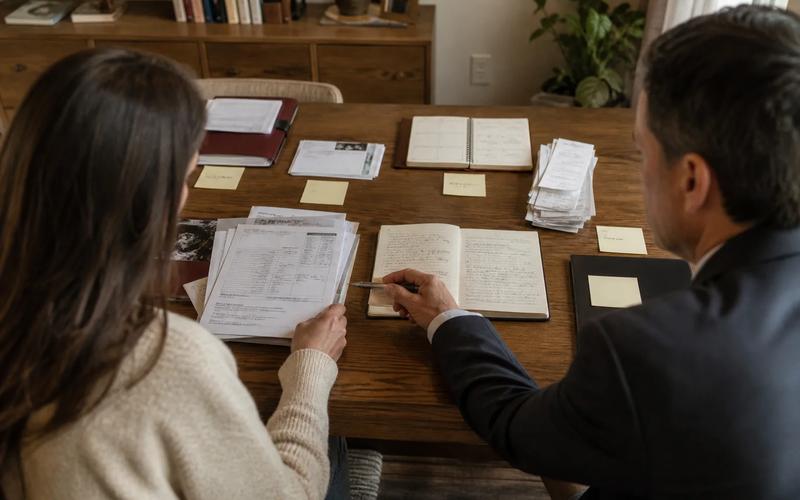
How Are Damages Calculated in a California Personal Injury Case?
California personal injury damages are separate forms of legally caused harm. Each category needs its own proof, causal connection, and non-duplicative explanation.
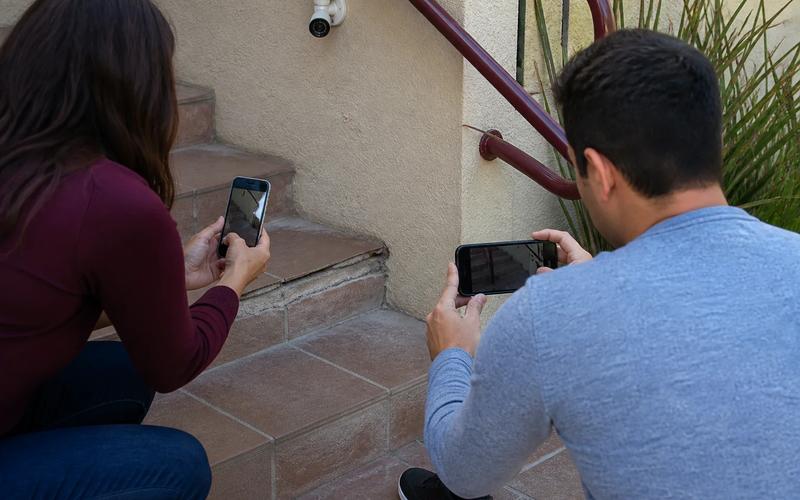
What Evidence Helps Prove a California Personal Injury Claim?
Personal injury evidence is useful when it answers a fact that must be proved. Organize sources by responsibility, causation, injury, loss, defenses, and credibility.

How Medical Liens Can Affect a California Injury Settlement
A medical lien may be contractual, statutory, plan-based, or governmental. Which of those you are holding decides what can be done about it before you settle.

What Happens at a California Personal Injury Deposition?
A California personal injury deposition is sworn oral discovery. Sound preparation reconciles the record, clarifies personal knowledge, and protects accuracy.
California Personal-Injury Deadlines: How Long Do You Have to File?
California's general two-year injury statute is only a starting point. Public entities, delayed discovery, minors, and special statutes require separate analysis.